Tracking the Annual Loop of Swallows
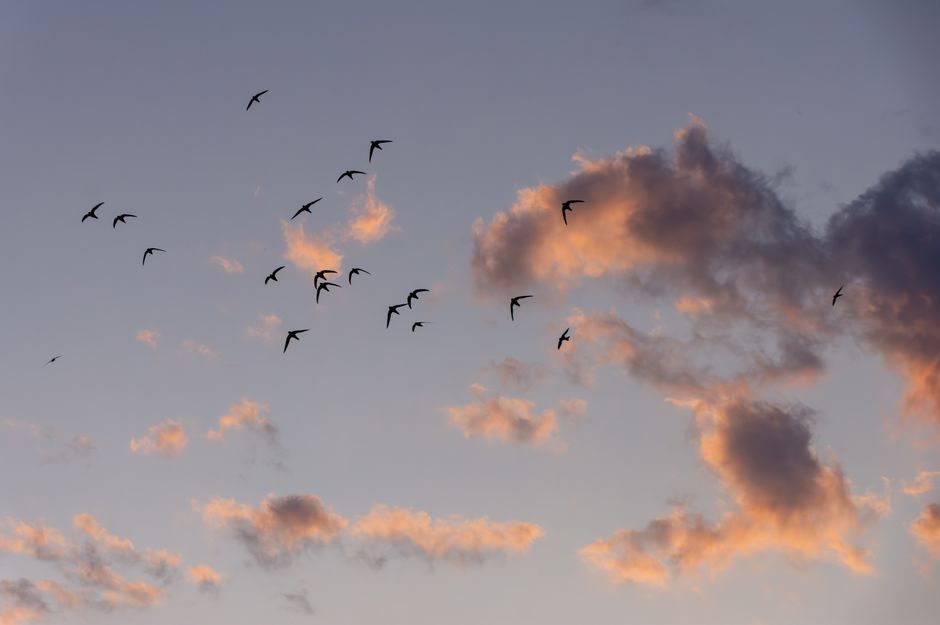
Each year, swallows undertake one of the most remarkable journeys in the avian world. These small, agile birds travel thousands of miles between their breeding grounds in North America and their wintering areas in Central and South America. The annual loop is not a single straight flight but a complex sequence of movements shaped by geography, weather, and the birds’ own biological rhythms. Understanding this cycle requires careful observation and a range of scientific tools that reveal where swallows go, how they get there, and where they pause along the way.
For researchers and bird enthusiasts, the migration of swallows offers a window into larger ecological processes. By tracking individual birds across continents, scientists can piece together the routes and stopover sites that are critical for the survival of these species. This article explores the methods used to follow swallows on their annual journey, the key areas they rely on during migration, and the factors that influence their movement patterns.
Swallows are often seen as heralds of spring, but their migration is far more than a simple seasonal shift. It is a carefully timed event that involves multiple generations, changing weather systems, and a network of habitats that span the hemisphere. By learning more about these patterns, we gain insight into the challenges migratory birds face and the conservation measures that may support them.
The Routes Swallows Follow
Swallow species such as the Barn Swallow, Tree Swallow, and Cliff Swallow each have their own migration corridors. Barn Swallows, for instance, breed across most of the United States and southern Canada, then travel to wintering grounds that range from Mexico to Argentina. Tree Swallows tend to winter along the southeastern United States, the Gulf Coast, and into Central America, while Cliff Swallows often move into southern South America. The routes are not fixed; they can shift depending on weather patterns, food availability, and the bird’s age or experience.
Research using leg bands and lightweight tracking devices has shown that many swallows follow major river valleys and coastlines. The Mississippi River flyway, the Atlantic coast, and the Gulf of Mexico are key corridors. Some swallows cross the Gulf directly, a nonstop flight of 800–1,000 kilometers, while others take a longer overland route through Mexico and Central America. The choice of route can affect the timing of migration and the number of stopovers needed.
One Barn Swallow fitted with a geolocator in New York was recorded traveling over 9,000 kilometers to its wintering site in Brazil, stopping at least six times along the way. Such data help researchers understand the distances and energy demands involved.
Stopover Sites: Rest and Refuel
During migration, swallows cannot sustain continuous flight for days on end. They need places to rest, feed, and build up fat reserves. These stopover sites are often wetlands, marshes, coastal lagoons, or agricultural areas where insects are abundant. The availability of such sites can determine whether a swallow successfully completes its journey.
Researchers have identified several important stopover regions. Along the Gulf Coast of the United States, for example, marshes and barrier islands provide critical refueling areas before swallows attempt the Gulf crossing. In Central America, the Isthmus of Tehuantepec in Mexico and the Mosquito Coast of Nicaragua and Honduras are known concentration points. These locations are not random; they are shaped by geographic bottlenecks and prevailing wind patterns that influence where birds land.
Citizen science projects, such as those coordinated by BirdWise, have contributed observations that help map these stopover sites. When large flocks of swallows are reported feeding over lakes or fields during migration, those records become valuable data points. Over time, these observations reveal which areas are most consistently used and which may be at risk from habitat loss or climate change.
Technologies for Tracking Migration
Understanding the full annual loop of swallows has become possible only with the development of lightweight tracking technologies. Traditional bird banding still provides basic information, but it relies on recapture rates and does not show the complete route. Modern methods offer far more detail.
- Geolocators – Tiny devices that record daylight intensity and time, allowing researchers to estimate latitude and longitude. They must be recovered to retrieve data, but they are light enough for small birds like swallows.
- Satellite transmitters – Heavier and more expensive, but they provide near-real-time positions. These are used less frequently on swallows due to size constraints, but newer miniaturized versions are being tested.
- Radio telemetry – Used to track local movements and short-distance migration, especially with automated receiver networks like the Motus Wildlife Tracking System. This method is effective for following swallows between stopover sites within a region.
- Stable isotope analysis – A non-tracking method that examines chemical signatures in feathers or claws to infer the latitude and habitat where a bird spent previous seasons. This technique can reveal breeding and wintering origins without requiring a tracking device.
Each technology has trade-offs in weight, cost, and the type of data collected. Researchers often combine multiple methods to build a comprehensive picture. For example, a study may use geolocators to map a swallow’s route and isotope analysis to confirm where it was born. The goal is to collect enough information from different individuals to generalize migration patterns across populations.
Environmental Factors Affecting Migration
The timing and success of swallow migration are influenced by a range of environmental conditions. Weather plays a major role: headwinds can delay departures, while tailwinds can accelerate travel. Storms, especially those associated with cold fronts or tropical systems, may force birds to alter their routes or seek emergency stopovers.
Climate change is reshaping many aspects of migration. Warmer temperatures can cause insects to emerge earlier, potentially shifting the availability of food at stopover sites. If swallows arrive at a traditional stopover and find fewer insects, they may have to compete more intensely or move on quickly, which could reduce their body condition. Changes in wind patterns and the frequency of extreme weather events also affect the birds’ ability to plan their journeys.
Habitat loss is another significant factor. Coastal wetlands, agricultural fields, and estuaries that serve as stopover sites are being converted or degraded. When a key stopover is lost, swallows may need to fly longer distances between suitable areas, increasing energy expenditure and mortality risk. Research suggests that the cumulative effect of multiple habitat losses along a migration route can be more damaging than the loss of a single breeding or wintering site.
How Migration Research Informs Conservation
Understanding the full annual loop of swallows is not just an academic exercise; it directly supports conservation planning. When the precise routes and stopover sites are known, land managers and policymakers can prioritize those areas for protection or restoration. For instance, if a particular coastal lagoon in the Yucatán Peninsula is identified as a critical refueling stop for thousands of Barn Swallows, conservation efforts can be directed there.
Organizations such as BirdWise collaborate with researchers, local communities, and government agencies to share data and develop strategies. These strategies often involve habitat management, such as maintaining wetland water levels or reducing pesticide use during migration seasons. International cooperation is essential because swallows cross many borders; protections in one country may be undermined if stopover sites elsewhere are lost.
Citizen science also plays a role. Enthusiasts who report swallow sightings through platforms like eBird provide a continuous stream of observations that can reveal changes in migration timing or unusual concentrations of birds. When combined with tracking data, these reports help validate and refine our understanding of the annual loop. The more that is known about where swallows go and what they need, the more effectively conservation measures can be designed to support them throughout their entire journey.